






Energy Efficient Tips That Save Money
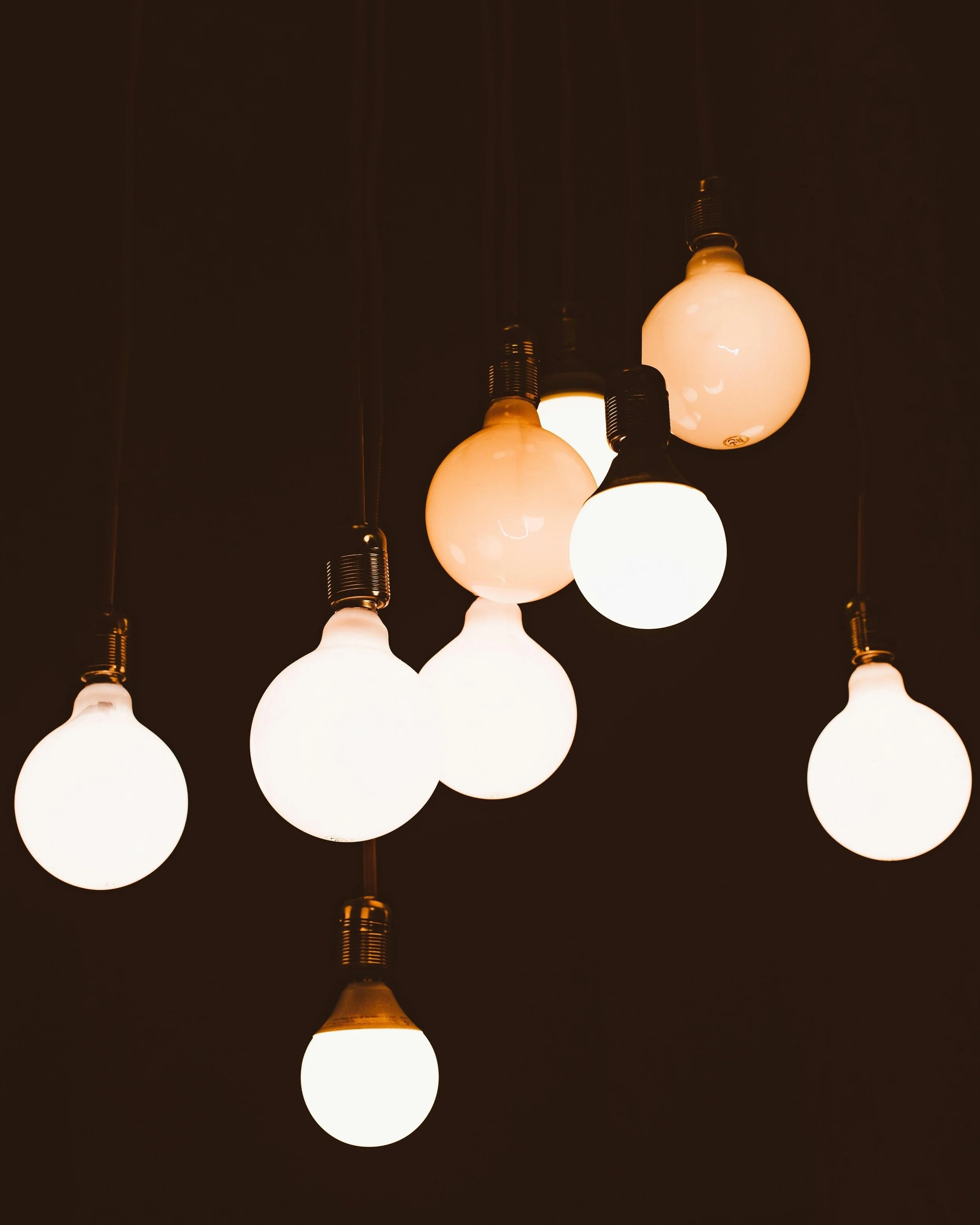
lightbulbs hanging from the ceiling in a dark room
With rising utility costs across Canada, energy efficiency isn’t just good for the environment, it’s one of the smartest financial decisions a homeowner can make.
The right upgrades and habits can significantly reduce monthly expenses while increasing your home’s long-term value.
Here are seven practical, cost-effective ways to improve your home’s energy efficiency and keep more money in your pocket.
1. Upgrade to a Smart Thermostat
A smart thermostat learns your schedule and automatically adjusts heating and cooling to match your lifestyle. That means you’re not wasting energy when you’re asleep or away.
Why it saves money:
Heating and cooling account for roughly 60% of a typical Canadian home’s energy use. Even a small efficiency improvement can lead to noticeable savings on your monthly bills.
2. Seal Air Leaks and Improve Insulation
Drafty windows, doors, and poorly insulated attics are some of the biggest sources of energy loss.
Simple fixes include:
Weatherstripping around doors and windows
Sealing gaps with caulking
Adding or upgrading attic insulation
Why it saves money:
Reducing heat loss in winter and keeping cool air inside in summer lowers the workload on your HVAC system — and your energy bills.
3. Switch to LED Lighting
If you haven’t already made the switch, LED bulbs are one of the easiest upgrades you can do.
Why it saves money:
LEDs use up to 75–80% less energy than traditional incandescent bulbs and last significantly longer, reducing both electricity costs and replacement frequency.
4. Install Low-Flow Fixtures
Water efficiency plays a bigger role in energy savings than many people realize — especially when it comes to hot water.
Consider upgrading:
Showerheads
Faucets
Toilets
Why it saves money:
Using less hot water reduces both your water bill and the energy required to heat it.
5. Upgrade to Energy-Efficient Appliances
Older appliances tend to be major energy drains. When it’s time to replace them, look for high-efficiency models.
Focus on:
Refrigerators
Dishwashers
Washers and dryers
Why it saves money:
Modern appliances are designed to use less electricity and water, which adds up to long-term savings — especially for frequently used items.
6. Use Power Bars to Eliminate “Phantom” Energy
Many electronics continue to draw power even when they’re turned off — this is known as standby or “phantom” energy use.
Easy solution:
Plug devices like TVs, gaming consoles, and office equipment into power bars and switch them off when not in use.
Why it saves money:
It’s a small change, but over time, eliminating unnecessary energy use can noticeably reduce your electricity bill.
7. Consider Exterior Upgrades to Windows and Doors
While this is a larger investment, upgrading to energy-efficient windows and doors can make a significant difference.
Why it saves money:
High-performance windows reduce heat transfer, improve indoor comfort, and lower heating and cooling costs year-round. Plus, they can boost your home’s resale value.
Curate Energy Efficiency to Your Lifestyle
Energy efficiency doesn’t have to mean major renovations or upfront costs. Many of the most effective upgrades are simple, affordable, and can be implemented right away.
By making thoughtful changes, homeowners can reduce monthly expenses, improve comfort, and increase the overall value of their property, all while building a more sustainable future.